The battle between photography and AI.
2 minute read
Can they both be winners?
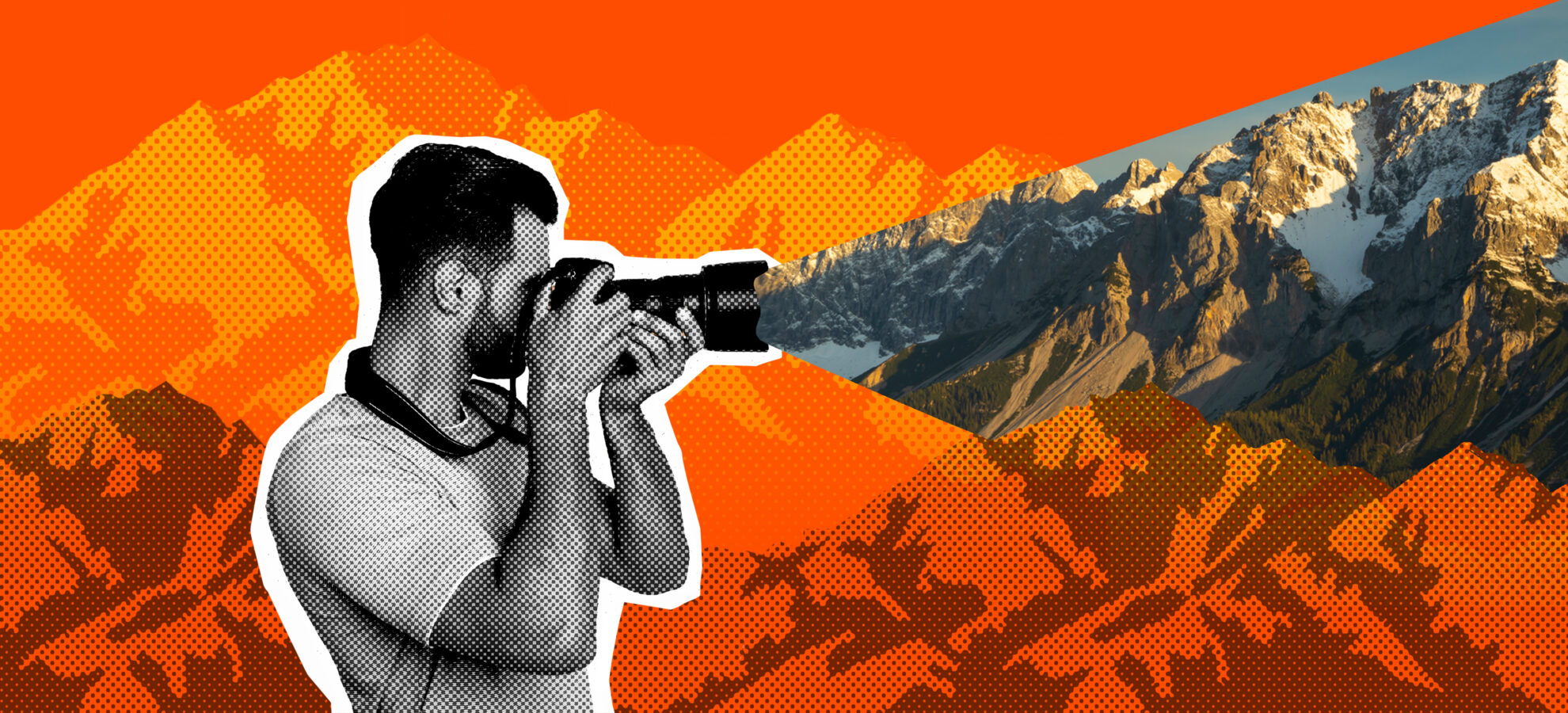
I’ve been thinking a lot lately about whether there’s still room in the market for traditional photography now that AI image generation has become so sophisticated. It’s a question that feels both novel and oddly familiar.
History has a way of repeating itself. When early photographic processes were introduced in the 19th century, there was genuine anxiety among painters. Portrait artists in particular, worried their craft would become obsolete overnight. Why sit for hours, even days, when a camera could capture a likeness in minutes?
And yet, painting didn’t disappear. It adapted. It evolved. Freed from strict realism, artists explored impressionism, abstraction and expression. The craft that photography threatened, it also unlocked.
As someone working in a creative field, and with a partner who is a stock photographer, I see both sides up close. There’s no denying that AI can produce striking visuals at speed and scale. It’s brilliant for concepts, mood boards and rapid prototyping, especially when budgets or timelines are tight. If you need ten variations of an idea before lunch, AI is unmatched.
But traditional photography still holds something AI struggles to replicate convincingly: authenticity. Real light, real people, real places. There’s nuance in a photograph that gives it weight and credibility. In commercial contexts especially, that trust matters. Audiences are increasingly aware of what might be artificial, and that awareness can subtly erode confidence in an image. This means that brands are now having to consider whether the imagery they use to represent themselves can deliver on this stamp of authenticity. Ultimately, whether a brand is seen as authentic will impact the consumer confidence and trust that they’ve built their foundations on, and it’s an increasingly important consideration for our clients.
From my partner’s perspective, the shift is already visible. Some high-volume, generic content is undoubtedly being replaced by AI, but at the same time, there’s still demand for imagery that feels genuinely human, specific, and grounded in reality - things that are harder to fake well. So, he will continue to get up at 4am to photograph a city skyline at sunrise and climb to the top of a mountain to capture the view (and occasionally I will go with him!).
If anything, the presence of AI may end up sharpening the value of photography, much like photography once sharpened the purpose of painting.
For me, the most interesting question isn’t whether there’s room for both - but how we use them together while prioritising the authenticity that audiences crave. The future probably isn’t one or the other. It’s knowing when each medium does its best work.

Blog.
All blogs
If AI is deciding what gets seen, brand decides what gets chosen.
The rules of online visibility are being rewritten - fast. But what does this mean for your business, and what can you do about it?
Old solutions for modern problems.
How health and safety messages can be best communicated through lenticular print.