Old solutions for modern problems.
2 minute read
How health and safety messages can be best communicated through lenticular print.
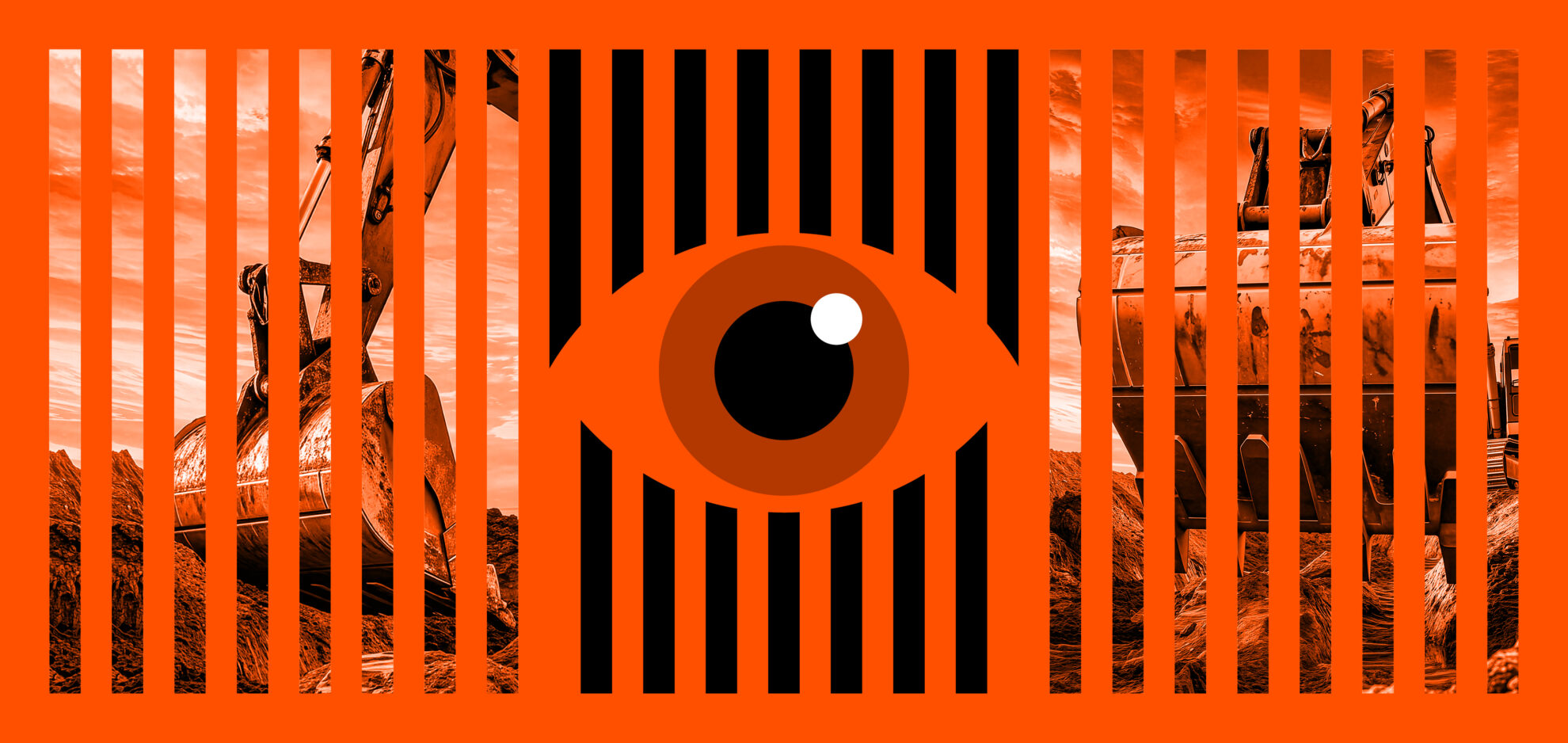
Like many creatives, my fascination with type and imagery started early. As a child, I was captivated by how a picture could shift your perspective, spark imagination, or make you pause for just a moment longer.
This was long before augmented reality, digital screens, and the infinite scrolling feeds that now compete for every second of our attention. Back then, the magic was analogue, it was tactile, simple, and wonderfully inventive.
And few things embodied my childhood wonder more than lenticular prints.
Although often associated with childhood nostalgia, lenticular printing is anything but simple. The technique relies on a precisely engineered lens sheet laid over a set of interlaced images. Each lens directs a different image to the viewer depending on their angle,creating a “flip” animation or 3D illusion, all without any digital input or electronics.
The appeal, to me, has always remained the same: lenticular print grabs attention, demands interaction, and rewards curiosity.
So, what if this classic medium could solve a very modern challenge of rethinking on-site health and safety messaging?
On construction and operational sites, such messaging is essential. But it also faces a major obstacle: overfamiliarity. Over time, even important messages become visual wallpaper, present, but rarely seen. Yet in high-risk spaces the stakes are simply too high for messages to blend in.
Our brief: helping National Grid bring risk into focus
National Grid’s health and safety team approached us with an important and critical challenge: create onsite safety signage to highlight the dangers posed by working near large, mobile machinery.
So, we asked ourselves:
How do we create signage that people don’t just notice, but actively engage with?
Our solution: lenticular animation - posters that move with you.
Instead of producing yet another static poster, we developed a concept built around two flip lenticular animation.
Our idea was simple in theory, yet striking in execution:
- Image 1: An excavator sits at a safe distance, a familiar scene.
- Image 2: As the viewer walks past, the bucket animates and shifts dramatically closer. Suddenly, the risk is no longer abstract. It feels real, physical, and immediate.
To reinforce this moment, we created a strapline:
Big Machines. Bigger Risk.
It’s short, memorable, and paired perfectly with the visual impact of the lenticular flip.
A traditional technique for a modern safety challenge
By using a decades old visual medium in a completely new context, National Grid gained a tool that feels both innovative and refreshingly analogue. Our use of lenticular printing delivered a safety message in a way that resonates long after someone walks past it, and in environments where awareness can save lives, that difference matters.
Have you got a project that you think would benefit from the use of lenticular print? Get in touch with our team to start a discussion.

Our Services.
- Exhibitions & Signage
- Production
- Print management
Blog.
All blogs
If AI is deciding what gets seen, brand decides what gets chosen.
The rules of online visibility are being rewritten - fast. But what does this mean for your business, and what can you do about it?